Complete Guide to Starting a Solar EPC Business in India (2026) - Part 3
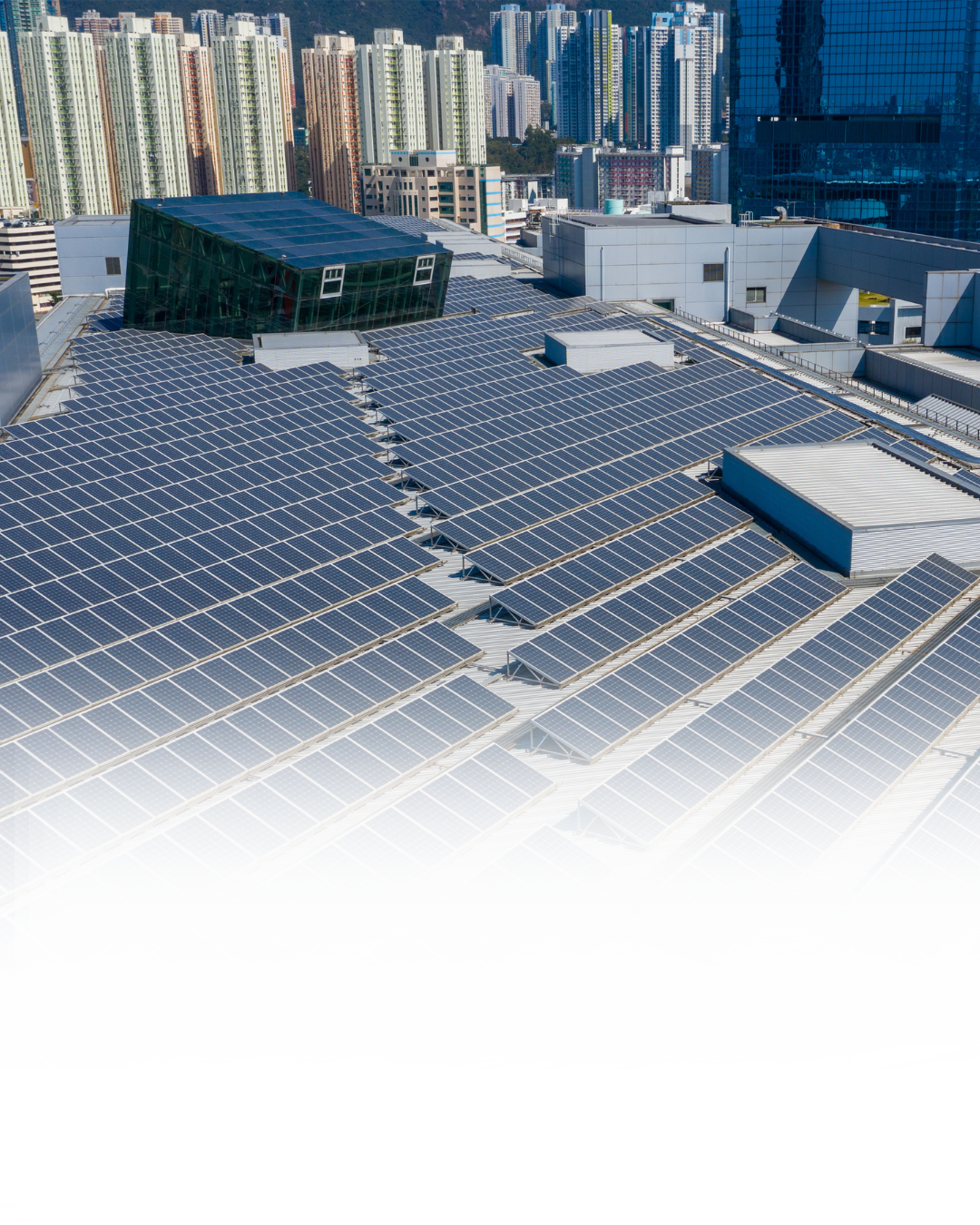
Government Schemes Supporting Solar EPC Businesses
Government initiatives have played a major role in expanding India's rooftop solar market. While incentives and implementation vary by state and customer category, Solar EPC companies should stay updated with the latest policies, subsidy guidelines, and DISCOM procedures.
Understanding these schemes allows EPC companies to guide customers through documentation, approvals, and installation, creating a smoother customer experience.
PM Surya Ghar: Muft Bijli Yojana
One of the most significant residential rooftop solar initiatives in India is PM Surya Ghar: Muft Bijli Yojana. The scheme aims to encourage rooftop solar adoption by providing financial support to eligible households through approved procedures.
As a Solar EPC company, you should help customers with:
- • Site feasibility assessment & System sizing
- • Proposal preparation & Required documentation
- • Installation, Inspection support, Net metering application & Commissioning
A streamlined process improves customer confidence and increases referrals.
Net Metering Explained
Net metering allows eligible rooftop solar consumers to export excess electricity generated by their solar system to the electricity grid, subject to the applicable regulations of their local DISCOM.
The general process includes:
- 1. Customer enquiry
- 2. Site survey
- 3. Proposal approval
- 4. Application submission
- 5. Technical approval
- 6. Installation
- 7. Inspection
- 8. Meter replacement (where applicable) & Commissioning
Because procedures vary by state and utility, Solar EPC companies should stay informed about local requirements and timelines.
Solar Financing Options for Customers
Not every customer prefers to make a full upfront investment. Offering financing solutions can improve conversion rates. Common financing options include:
- • Bank solar loans & NBFC financing
- • Easy EMI-based payment plans
- • Corporate financing for commercial projects & Leasing models
Pricing Your Solar EPC Projects
Pricing should be based on accurate engineering and project requirements rather than competing solely on the lowest quotation. Consider factors such as system capacity, equipment specs, roof structural complexity, cabling distances, transportation, and warranty service costs.
Revenue Sources for a Solar EPC Company
1. Residential Rooftop Installations
Small residential projects create consistent business and generate referrals.
2. Commercial Projects
Commercial systems involve larger capacities and higher project values, contributing significantly to revenue.
3. Industrial Projects
Industrial installations require greater technical expertise but offer higher-value contracts.
4. Annual Maintenance Contracts (AMC)
Offering cleaning, electrical inspections, testing, and inverter fault diagnosis creates recurring income.
5. System Upgrades
Existing customers may require capacity expansion, battery integration, EV charging, or monitoring upgrades.
6. Energy Audits & Consulting
Provide load analysis, audits, and feasibility studies to generate additional revenue.
Understanding Profit Margins
Profitability depends on procurement costs, project execution efficiency, labour productivity, logistics, and minimizing rework or warranty claims.
Managing Working Capital
Cash flow is critical. Request advance payments, plan procurement carefully, track receivables, and negotiate favorable payment terms with suppliers.
Building a Strong Brand
Solar installations are decades-long investments, so building trust is vital. Maintain a professional website, compile reviews, showcase projects, and offer reliable support.
Scaling Your Solar EPC Business
Phase 1: Establish Local Presence – Focus on residential setups and local supplier relationships.
Phase 2: Expand Within the City – Hire dedicated sales teams and develop SOPs.
Phase 3: Expand Regionally – Setup satellite operations in nearby cities with consistent quality.
Phase 4: Diversify Services – Add commercial solar, energy storage, EV charging, and O&M services.
Common Mistakes New Solar EPC Companies Make
Avoid competing only on price, ignoring site surveys, using low-quality components, underestimating cash cycles, or delaying customer support.
Future Opportunities in India's Solar Sector
Embrace emerging opportunities: battery storage, EV charging, smart energy management, community solar, and predictive maintenance technologies.
Frequently Asked Questions
Q: Is the Solar EPC business profitable?
A: Yes, with quality installations, efficient procurement, and strong customer relations, it is a highly sustainable model.
Q: Can I start without being an electrical engineer?
A: Yes, founders focus on business development, finance, and partnerships, while hiring qualified designers and installers.
Q: Do I need to stock solar panels?
A: Not necessarily. You can procure materials project-by-project to save working capital costs.
Government Subsidies
Leverage government initiatives like PM Surya Ghar: Muft Bijli Yojana to drive residential rooftop solar adoption:
- • State subsidy approvals & DISCOM integration
- • Faster portal approvals and inspections
- • Net metering applications and setup

Revenue Streams
Successful Solar EPCs build diversified revenue models:
- • Residential, Commercial, and Industrial installations
- • Annual Maintenance Contracts (AMC)
- • Solar consulting, audits, and capacity upgrades
Scaling Phases
Build systems that allow operational scaling from local presence to regional expansion:
- • Phase 1: Establish local relationships
- • Phase 2: Standardize SOPs and designs
- • Phase 3: Setup regional expansion offices
Future Opportunities
Decarbonization, storage systems, EV chargers, and smart energy management.
Scale Your Solar EPC Company with Staredge
Automate solar proposal generation, create 3D roof layouts, discover verified vendors, and manage solar projects from enquiry to commissioning.