Complete Guide to Starting a Solar EPC Business in India (2026) - Part 2
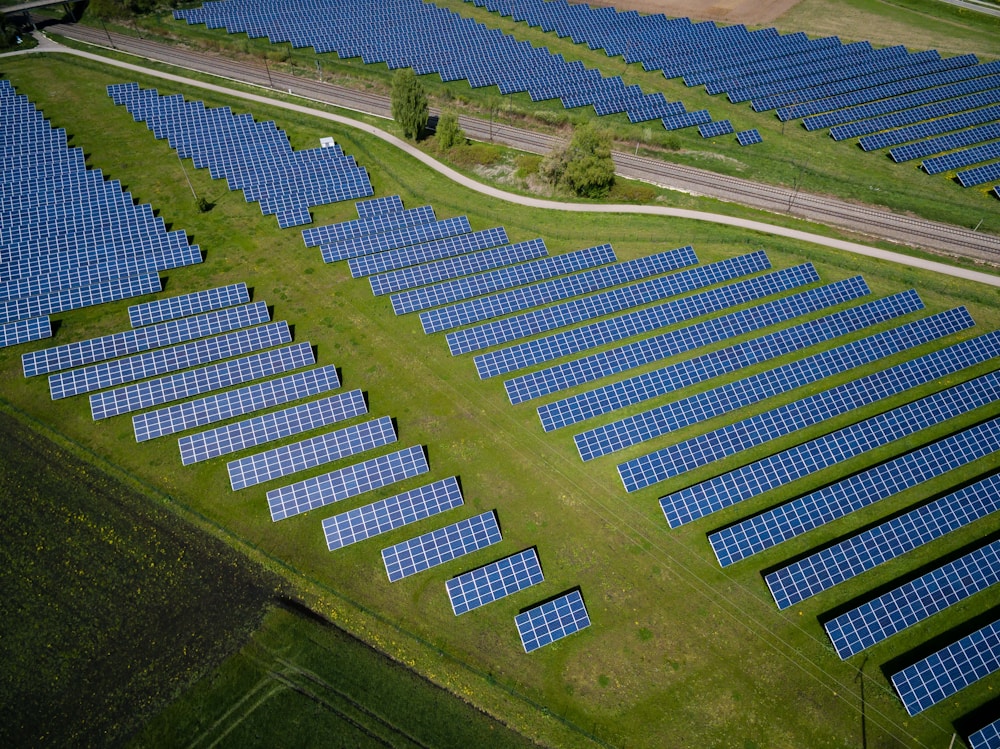
Building the Right Team for Your Solar EPC Business
A Solar EPC company is only as strong as its team. While solar equipment is available from many manufacturers, customers often choose an EPC based on trust, engineering expertise, installation quality, and after-sales service.
In the early stages, you do not need a large workforce. A lean team with clearly defined responsibilities can execute projects efficiently.
| Role | Responsibility |
|---|---|
| Founder / Director | Business development, partnerships, strategy |
| Sales Executive | Customer meetings, lead conversion, quotations |
| Solar Design Engineer | System design, BOQ, proposals, technical support |
| Site Survey Engineer | Site inspection, measurements, feasibility analysis |
| Procurement Executive | Vendor coordination and material purchasing |
| Project Manager | Project execution and scheduling |
| Installation Team | Structure erection, panel installation, wiring |
| Electrical Engineer | Testing, commissioning, synchronization |
| Customer Support | Documentation and after-sales service |
As your business grows, you can add dedicated departments for HR, finance, marketing, digital advertising, and operations.
Essential Tools Required
Professional Solar EPC companies rely on software to improve accuracy, reduce errors, and deliver proposals quickly. Recommended tools include:
- • Design Software
Used for solar layout design, shadow analysis, string calculation, roof measurement, and panel placement.
- • Proposal Software
Auto-generates clean templates with client info, savings curve, payback timeline, warranty, and BOQ details.
Site Survey Process
Never finalize a quotation without conducting a proper site survey. A professional survey includes:
Roof Inspection: Check dimensions, roof condition, waterproofing, structural strength, access points, and layout space.
Shadow Analysis: Analyze trees, water tanks, chimneys, lift rooms and adjacent buildings for potential solar shading.
Electrical Inspection: Verify existing electrical panel boards, meter location, cable routing, earthing options, and inverter placement.
Safety Assessment: Evaluate working heights, roof access points, safety harness anchors, and electrical hazards.
Selecting Reliable Solar Vendors
Your vendors directly impact project quality, profitability, and customer satisfaction. Consider the following:
- • Product Quality: Field performance, product certifications, warranty, and local assistance.
- • Delivery Capability: On-time shipping, nationwide logistics, and emergency backup stock.
- • Technical Assistance: Design support, product training, and warranty claim validation.
- • Commercial Terms: Pricing flexibility, credit periods, and bulk discounts.
How to Prepare a Professional Solar Proposal
An effective proposal acts as your primary sales document and should include:
- • Company Introduction: Experience, project portfolio, and installation workflow.
- • Customer Electricity Analysis: Monthly consumption, recommended capacity size.
- • Proposed Solar System: KW capacity, panel wattage, inverter model, structures.
- • Financial Analysis: Cost breakdown, payback period, and net return on investment (ROI).
- • Technical Drawings & Warranties: Roof layout, SLD, cable routing, and warranty terms.
Material Procurement Checklist
Verify all required components before dispatching to site: panels, inverters, structures, DC/AC cables, earthing kits, lightning arrestors, junction boxes, connectors, conduits, warning labels, and safety gear.
Solar Installation Workflow
• Step 1: Site handover & safety briefing
• Step 2: Roof marking & structure setup
• Step 3: Module mounting
• Step 4: DC wiring
• Step 5: Inverter installation
• Step 6: AC connection
• Step 7: Earthing installation
• Step 8: Lightning protection setup
• Step 9: Testing and commissioning
• Step 10: Customer training & handover
Quality Control
Verify structural alignment, bolt torques, cable dressing, MC4 connector quality, earthing resistance, inverter configuration, and monitoring setups at each stage.
How to Generate Solar Leads
Diversify your lead generation funnel using Google search SEO, Google Business profiles, social media case studies, referral networks, and B2B architect channels.
Digital Marketing Strategy
Invest in organic SEO, search ads, email nurturing campaigns, WhatsApp alerts, webinars, and educational YouTube walkthroughs.
Using Technology to Scale Your EPC Business
Centralize layouts, CRM leads, proposals, BOQs, task schedules, and supplier purchase orders on unified platforms like Staredge to streamline operations and enhance conversions.
Team Structure
A Solar EPC company is only as strong as its team. Set up a lean workforce with clearly defined responsibilities:
- • Founder: Strategy & business development
- • Design Engineer: System design & BOQ
- • Project Manager: Scheduling & execution
Essential Tools
Professional Solar EPC companies rely on software to improve proposal accuracy, reduce design errors, and save engineering hours:
- • 3D Solar layout design
- • Fast proposal automation
- • Subsidies & EMI calculators
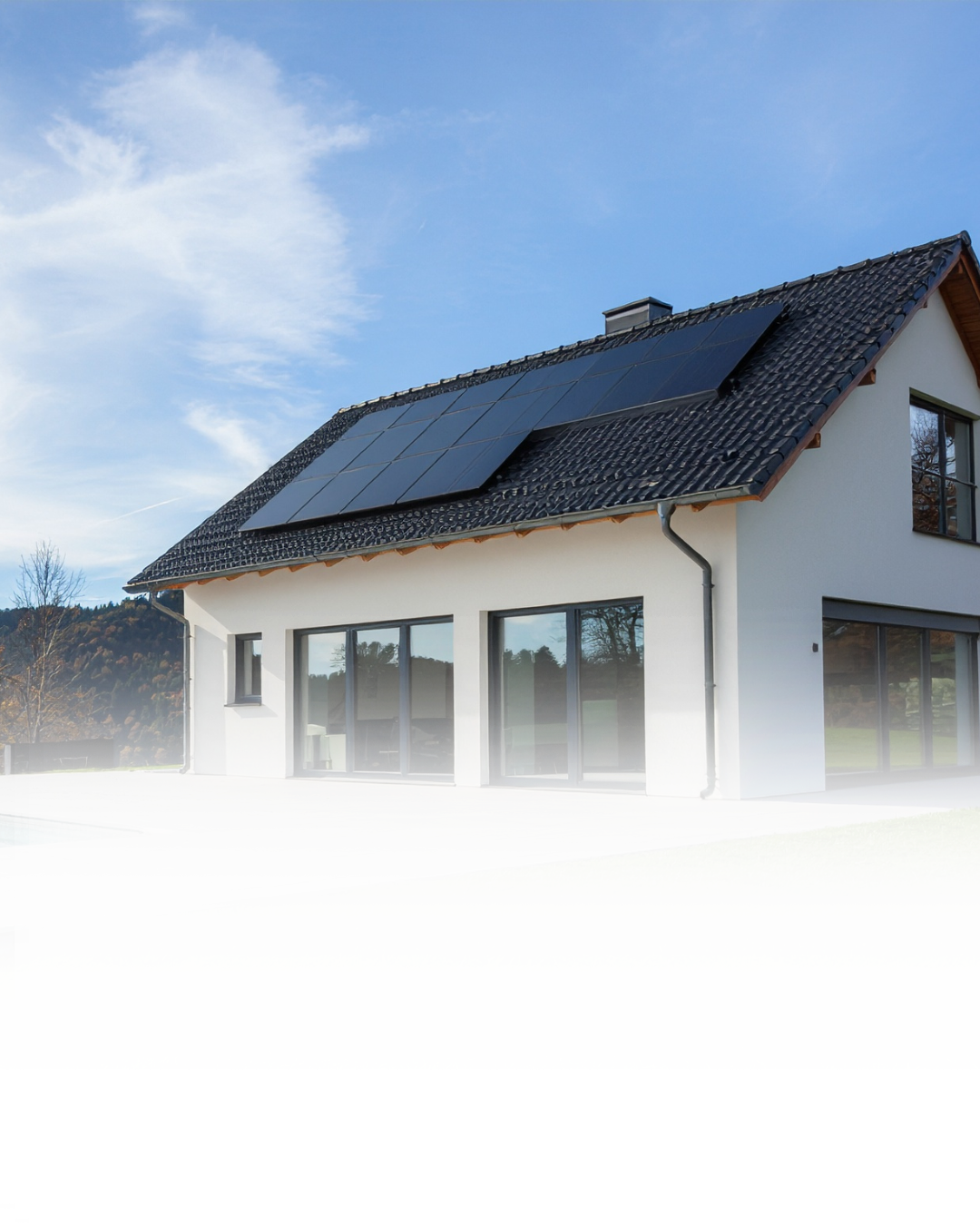
Site Survey Process
Conduct detailed site surveys covering:
- • Roof dimensions and load checks
- • Obstacle shading analysis
- • Meter location & cabling routes
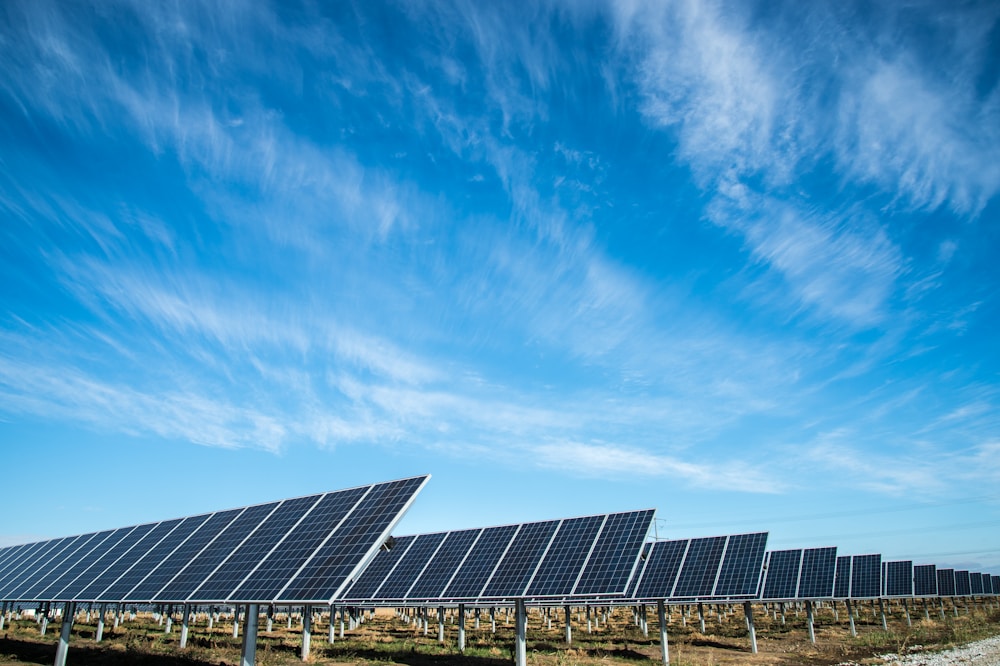
Installation Workflow
Standardize your site setups and mounting procedures:
- • Structure setup and panel mounting
- • DC/AC wiring and earthing integration
- • Net metering documentation and commissioning
Lead Generation
Acquire clients through local SEO, references, and B2B architect channels.
Scale Your Solar EPC Company with Staredge
Automate solar proposal generation, create 3D roof layouts, discover verified vendors, and manage solar projects from enquiry to commissioning.